
Governor Brian Kemp has now signed Senate Bill 33 into law. That has already triggered a new round of headlines, political pushback, and talk of a court challenge.


Governor Brian Kemp has now signed Senate Bill 33 into law. That has already triggered a new round of headlines, political pushback, and talk of a court challenge.
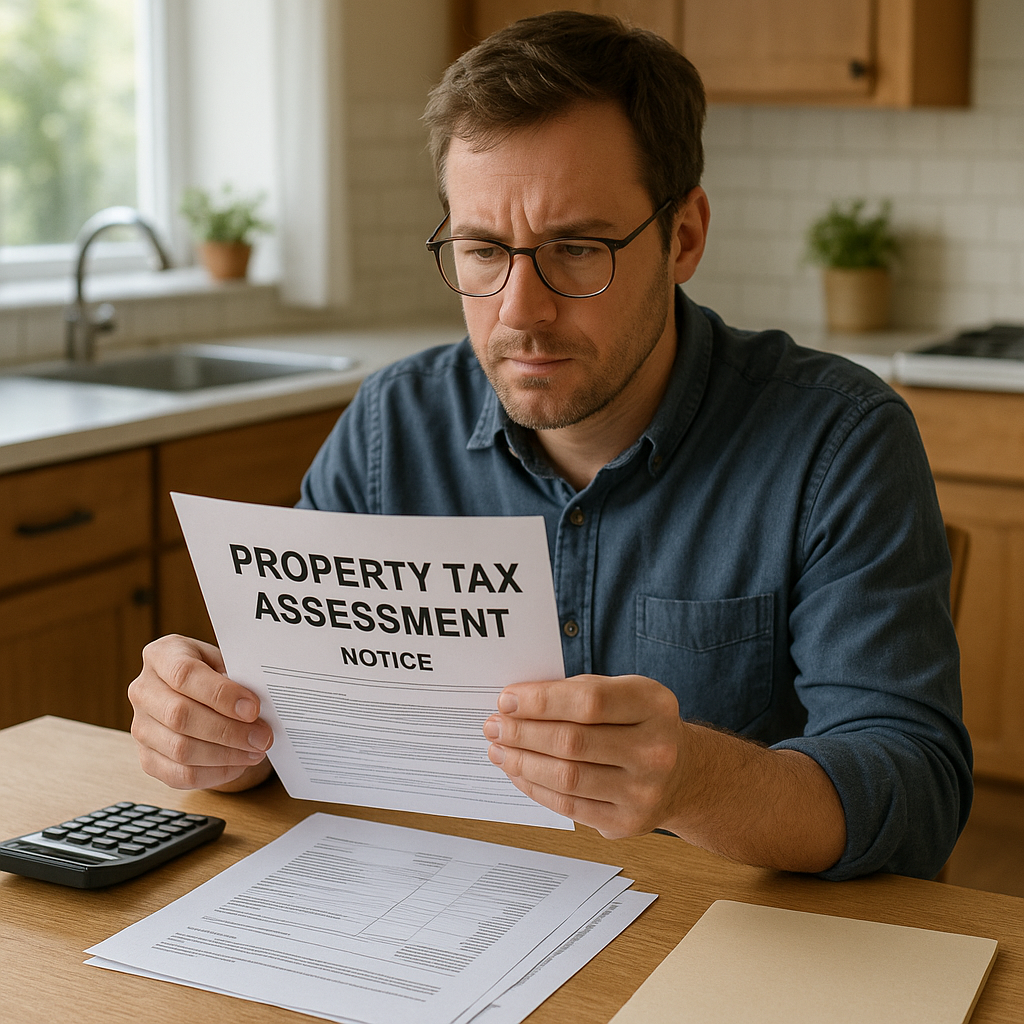
What the new property tax law means for homeowners and why you should still appeal
---
What just happened
Governor Brian Kemp signed Senate Bill 33 formally the Homeownership Opportunity and Market Equalization (HOME) Act of 2026 into law on May 11, 2026. The HOME Act builds on the floating homestead exemption that Georgia voters approved in 2024 (HB 581) and adds new protections for owner-occupied homes statewide.
What the HOME Act does
Statewide homestead cap (effective 2027). Annual increases in the taxable value of homestead properties are capped at the rate of inflation. Cities, counties, and school districts can no longer opt out of this cap.

Recently much news has been made about the increasing house values around the country. Apparently the depths of the Great Recession are behind us and real estate is in full recovery mode. According to the Case-Shiller Atlanta home price index, housing values increased 18.44% year-over-year as of August 2013.
This is, of course, an average increase in house values for Atlanta real estate as a whole. I have found wide disparities from this average as I analyze values by neighborhood throughout the metro area. If we dig into the Case-Shiller Atlanta home price index a little further we can see where some of the variation is coming from.

The Income Approach uses capitalization to convert the anticipated benefits of the ownership of property into an estimate of present value.
As reported in the Atlanta Journal-Constitution (AJC) the Fulton County Taxpayers Foundation (FCTF) is on the verge of collapse. They have laid off the staff that was doing property tax appeal work and have hired an auditor to make a decision on whether to continue the organization under new leadership, or shut it down. The current President, John Sherman's health is failing.

Taxes are an inevitable part of life, an unpleasant one maybe but essential to the running of the country. In most cases, you receive the bill, grumble about it and then see that it gets paid; just occasionally though you receive a tax bill that doesn’t seem right. What can you do when the tax bill you receive for your commercial property doesn’t seem fair? By following a few simple steps and putting all your evidence together, you can appeal against the amount you are being charged and try to get the bill lowered.
Facts That Determine Assessment
Property taxes in Fulton start with the Fulton tax assessors whose responsibility it is to work out the value of a property before applying 40% to that amount to reach the assessed value of the property on which the tax is based. To get some understanding of whether your tax bill is fair you will need to compare it with those sent to owners of similar properties and, if possible, get help from someone, such as a realtor, who has a good understanding of property values in your area.
However, commercial property taxes are not based purely on the value of the building and to create a case against the assessment of the Fulton tax assessors you will also need to know your expense ratio, net operating income, and capitalization rate. The best way to get your capitalization rate is to derive it from the sales of similar properties.
Once you have these figures you are ready to start to build an appeal case; the next step is to decide on what grounds you are going to base the appeal. You could choose to argue that the market rental rate is lower than the rate that has been used by the Fulton tax assessors. If you can find grounds to do so you can argue that your property is unique and will, therefore, never have the low expense ratio that was used in the assessment. The third option is to argue that the capitalization rate used is the assessment was too low.
The Appeal Process
The Fulton tax assessor’s offices set out a 45 day period from receiving your tax notice, to lodge your appeal. If you are sending documentation to their office, it is always a good idea to send it as certified mail so that you receive confirmation that your documents have reached their destination. Appealing in person can involve an informal discussion with the County appraiser and allows you the opportunity to explain why you disagree with the assessor's decision, and to ask questions. Prior to any meeting, send only the necessary documentation, and take the rest with you as further evidence of your case.
If you lose your appeal at this stage, it is not necessarily the end of the process; you can choose to have your case heard by the Board of Equalization which is free or you could choose to go to arbitration. When attending your appeal hearing remember to be on time, to explain your case clearly and to listen carefully to what is being said. The hearings are quite short, and you may have a lot of details to go through, but stick to the point and keep it short and business like. Whatever else you do, remember to stay calm and professional.
Arbitration does have costs attached but may be the best option if you have had mixed previous experiences with using the Board of Equalization. If you are still not in agreement with their decision then your final option is the Superior Court appeal, whose judgment on the matter is final.
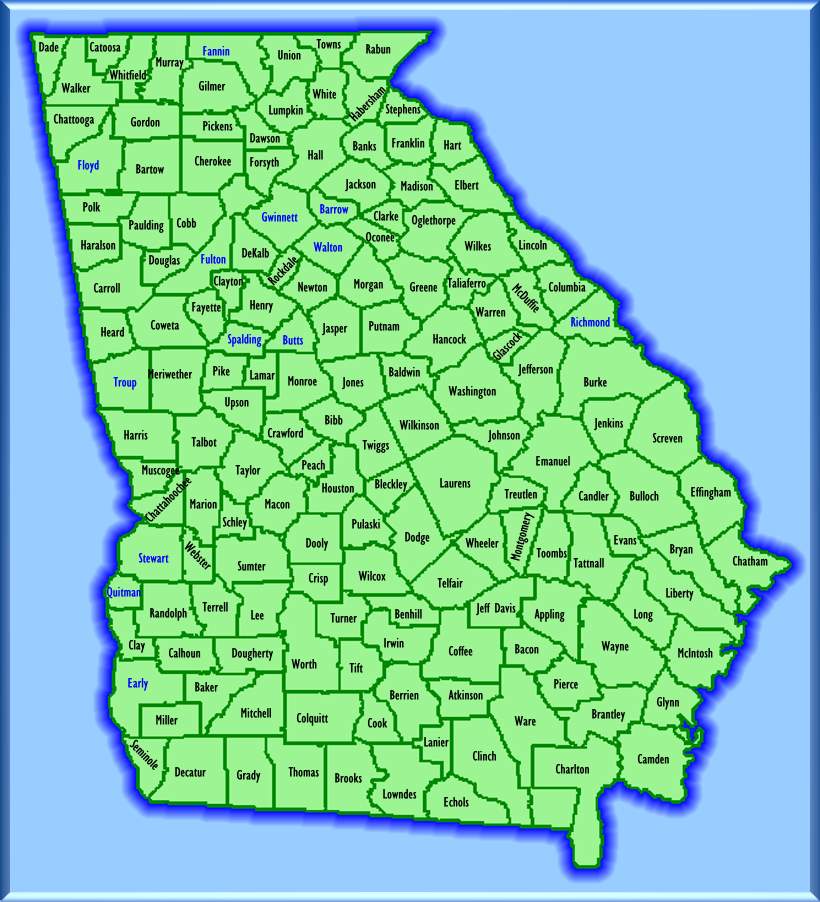
According to Georgia state law all property tax assessment notices were to be in the mail by July 1. That means for some counties the property tax appeal deadline will be mid August. Most of the Metropolitan Atlanta counties had appeal deadlines that have already passed. If you didn't get your Georgia tax appeals filed in a timely manner there's always next year. Also, according to George state law you will be getting an assessment notice every year.
The bottom in the real estate market has been called over and over again since the market peak in 2007. Once again, the so-called experts are out in force, saying that the data doesn't lie, the housing market is in recovery. But with an unemployment rate that is still over 8% and economic shocks, such as European debt crisis and the fiscal cliff, looming at the end of this year I doubt there will be any sort of robust recovery in the housing market.

There is still time to send in a property tax assessment appeal to the Atlanta GA Tax Assessor. The 2012 appeal deadline is June 28 and there is no provision in the Georgia tax law for relief if you fail to appeal within the designated appeal period. You get 45 days from the date of notice, no ifs ands or buts.
There is still time to appeal your valuation notice from the Fulton Tax Assessors. The deadline to appeal is June 28. The Fulton tax assessors usually receive more property tax appeals than any other county in the Atlanta metropolitan area. They are currently still working on their 2011 appeals as well as court cases from prior years. There is hope that they will get to their 2012 assessment appeals sometime soon so that this property tax appeal season doesn't drag on well into 2013.
As a former manager for the Fulton Tax Assessors, I know about the volume of appeals they get. Every appeal form or letter is put into a separate file for every real estate parcel appealed. Each appeal is logged into the computer system. This process, by itself, is very time-consuming. With a large number of appeals being filed in the last week, you can bet that many of the appeal folders that are given to the appropriate appraiser won't even be completed until the end of July. If you try to talk to the appropriate appraiser about your property tax appeal they may tell you that they don't have the appropriate file to work with you.


Fulton County Tax Assessors have released the dogs, I mean the 2012 property tax assessment notices. All that I have seen were dated yesterday May 14 and have an appeal deadline of June 28. There isn't a big rush to get these filed as the Fulton Tax Assessor staff is busy working 2011 tax appeal hearings at the Fulton County Board of Equalization.
The Fulton County Board of Equalization (BOE) is always inundated with appeals every year as it can be difficult to get substantial relief from the Tax Assessor's staff. In addition, many people (inluding myself) prefer to have our appeals settled at the Fulton County Board of Equalization due to the property tax law known as 299C. This is a section of the Georgia property tax law that states if your appeal is settled at the BOE or Superior Court, the value should be frozen for three years, unless you change the property or file a return at a different value.



 Phone: (404) 618-0355
© 2026 Fair Assessments, LLC. All Rights Reserved.