
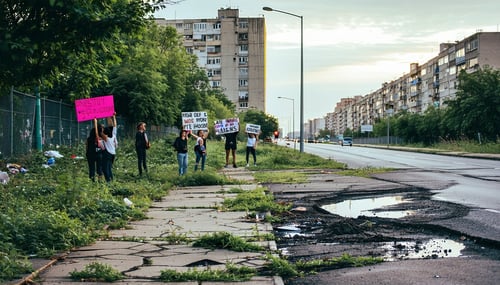
We often focus on the condition of our own property when considering its value, but the state of the surrounding public infrastructure plays a crucial role in neighborhood appeal and, consequently, your property tax assessment. If you're living in an area plagued by crumbling sidewalks, overgrown public spaces, or generally neglected infrastructure – a kind of "Sidewalk Serfdom" – you might have grounds to appeal your property taxes.
The Hidden Value of Well-Maintained Public Spaces:
Think about what makes a neighborhood desirable. Often, it's not just the individual homes but the collective environment, including:
- Safe and Accessible Sidewalks: Essential for pedestrians, families with strollers, and individuals with mobility issues, contributing to a walkable and connected community.
- Clean and Well-Kept Parks and Green Spaces: Providing recreational opportunities, enhancing aesthetics, and boosting overall quality of life.
- Functional Street Lighting: Ensuring safety and security during evening hours.
- Well-Maintained Streets and Roads: Facilitating smooth traffic flow and contributing to a positive visual impression.
- Proper Drainage Systems: Preventing flooding and maintaining the usability of public areas.
The Detrimental Impact of Neglect:
When public infrastructure falls into disrepair, it can have a significant negative impact on your property and the surrounding area:
- Reduced Curb Appeal: Cracked sidewalks, overgrown weeds, and broken streetlights create a negative visual impression of the neighborhood.
- Safety Hazards: Damaged sidewalks and poorly lit areas can pose safety risks to pedestrians.
- Decreased Walkability: Residents may be less inclined to walk or bike in areas with poorly maintained infrastructure.
- Lower Quality of Life: Neglected public spaces can diminish the overall enjoyment of the neighborhood.
- Potential for Decreased Property Values: Buyers may be less attracted to areas with visible signs of public infrastructure neglect, potentially leading to lower property values.
Why Infrastructure Neglect Can Be Grounds for a Tax Appeal:
Your property tax assessment should reflect your property's fair market value, which is influenced by the overall desirability and condition of your neighborhood. If the neglect of public infrastructure is demonstrably detracting from the appeal and potentially the value of your property and the surrounding area, you have grounds to argue that your current tax assessment is too high. You are essentially being taxed on a value that doesn't fully account for this negative external factor.
Building Your Case for a "Sidewalk Serfdom" Appeal:
Successfully appealing your property taxes based on unmaintained public infrastructure requires a well-documented case:
- Document the Neglect: Take detailed photos and videos of the specific areas of disrepair, such as cracked sidewalks, overgrown vegetation in public spaces, broken streetlights, potholes, or drainage issues. Include measurements or specific locations.
- Gather Evidence of Complaints: Keep records of any complaints you and your neighbors have filed with the local authorities (city or county) regarding the infrastructure issues, including dates of filing and any responses received (or lack thereof).
- Neighborhood Support: Collect statements from neighbors detailing how the unmaintained infrastructure is negatively impacting their quality of life and their perception of property values.
- Comparative Market Analysis (CMA): Work with a local real estate agent to compare property values and sales trends in your neighborhood to those in comparable areas with well-maintained public infrastructure. Highlight any discrepancies.
- Local Government Records (If Available): Research any local government reports or budget information that might indicate a lack of funding or attention to public infrastructure maintenance in your area.
- Highlight Safety Concerns: If the infrastructure neglect poses specific safety hazards, document these concerns clearly.
Navigating the Appeal Process:
Remember to follow your local tax authority's specific procedures and deadlines for property tax appeals. Clearly articulate how the unmaintained public infrastructure is negatively impacting the desirability and market value of your property and provide all your supporting documentation.
Demanding Attention to Neglected Spaces:
The condition of public infrastructure is a shared responsibility, and its neglect can have a direct impact on your property value. By diligently documenting the issues and understanding the appeal process, you can advocate for a more accurate property tax assessment that reflects the diminished appeal caused by this "Sidewalk Serfdom." It's about ensuring your taxes align with the current realities of your neighborhood's overall condition.