
While outdoor lighting serves essential purposes, excessive and poorly directed artificial light can become a significant nuisance, impacting your quality of life and potentially devaluing your property. If you're constantly battling intrusive glare, disrupted sleep, and a loss of the natural night sky, you might have grounds to argue for a "Light Pollution Levy" in your property tax appeal.
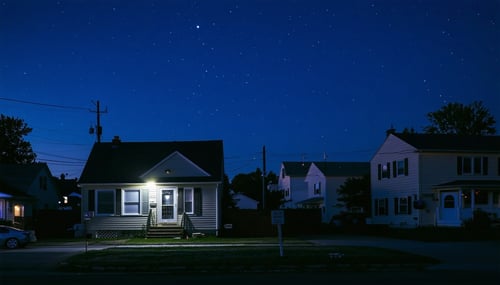
The Negative Impacts of Uncontrolled Light:
Beyond simply being annoying, excessive artificial light at night, or light pollution, can have several detrimental effects:
- Disrupted Sleep Patterns: Bright, unshielded lights shining into bedroom windows can interfere with melatonin production, leading to poor sleep quality and associated health issues.
- Loss of Night Sky Visibility: The beauty of the stars and the natural night sky is obscured by excessive artificial light, impacting aesthetic appeal and potentially tourism in some areas.
- Ecological Disruption: Light pollution can negatively affect nocturnal wildlife, disrupting their natural behaviors and ecosystems.
- Reduced Property Enjoyment: The inability to enjoy outdoor spaces at night due to harsh or intrusive lighting can diminish the overall value and usability of your property.
- Potential Health Concerns: Some studies suggest links between chronic light exposure at night and certain health problems.
Why Excessive Light Can Be Grounds for a Tax Appeal:
Your property tax assessment should reflect your property's fair market value, taking into account all factors that influence its desirability and potential sale price. If excessive and poorly managed artificial light is demonstrably detracting from your property's quality of life, aesthetic appeal, and potentially its market value, then your current tax assessment may not fully account for this negative environmental factor. You are essentially paying a "Light Pollution Levy" in terms of diminished enjoyment and potential value.
Building Your Case for a "Light Pollution Levy" Appeal:
Successfully appealing your property taxes based on excessive artificial light requires a well-documented case:
- Document the Light Sources: Identify and document the sources of the intrusive light, including their type (e.g., unshielded streetlights, bright commercial signs, poorly directed security lights), intensity, and hours of operation. Take photos and videos as evidence.
- Measure Light Levels (If Possible): If feasible, use a light meter to measure the intensity of the intrusive light at your property line and at key locations (e.g., bedroom windows). Note any violations of local lighting ordinances, if they exist.
- Gather Evidence of Impact: Keep a log of how the excessive light is affecting you and your family (e.g., sleep disruption, inability to enjoy outdoor spaces). Gather statements from neighbors experiencing similar issues.
- Review Local Lighting Ordinances: Research your local lighting ordinances to see if the offending light sources are in violation. Document any lack of enforcement by local authorities.
- Comparative Market Analysis (CMA): Work with a local real estate agent to compare property values in your area to those in comparable neighborhoods with better control of light pollution. Highlight any discrepancies.
- Expert Opinions (If Applicable): In some cases, an expert in environmental science or lighting can provide testimony on the negative impacts of excessive light on quality of life and potentially property values.
Navigating the Appeal Process:
Remember to follow your local tax authority's specific procedures and deadlines for property tax appeals. Clearly articulate how the excessive artificial light is negatively impacting your property's enjoyment and potentially its market value, and provide all your supporting documentation.
Seeking Relief from the Glare:
Living with persistent and intrusive artificial light can significantly diminish your property's appeal and your quality of life. By diligently documenting the problem and understanding the appeal process, you can advocate for a more accurate property tax assessment that acknowledges this often-overlooked environmental factor. It's about ensuring your taxes reflect the true livability and value of your property under both day and night skies.