
That new development down the street might promise future prosperity, but the ongoing noise, traffic, and disruption can feel like a serious case of the "construction zone blues." If the constant construction is negatively impacting your property's value and your quality of life, your latest tax assessment might feel unfairly high. You might have grounds to appeal.
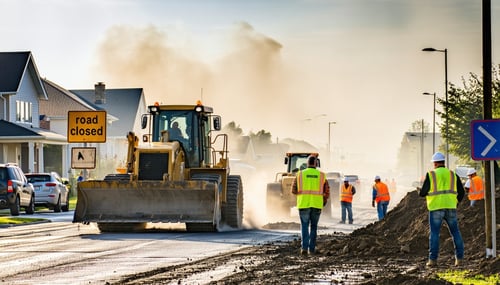
The Disruptive Reality of Neighborhood Development:
While long-term benefits are often touted, the immediate effects of nearby construction can be significant and detrimental to existing homeowners:
- Persistent Noise Pollution: The constant sounds of heavy machinery, hammering, and construction crews can disrupt daily life and diminish the peace and quiet of your property.
- Increased Traffic Congestion: Construction vehicles and workers can clog local roads, leading to longer commutes and frustration.
- Dust and Debris: Construction sites often generate significant amounts of dust and debris that can settle on your property, requiring extra cleaning and potentially affecting air quality.
- Road Closures and Detours: Temporary or prolonged road closures can make accessing your property inconvenient and impact local traffic patterns.
- Reduced Curb Appeal: Construction zones are often unsightly, detracting from the overall appearance and desirability of the neighborhood.
- Safety Concerns: Increased construction traffic and activity can raise safety concerns for pedestrians and children in the area.
Why Construction Chaos Can Lower Your Property Value:
Prospective buyers are often deterred by ongoing construction. The noise, inconvenience, and uncertainty surrounding the project's timeline can make your property less attractive compared to homes in quieter, more stable neighborhoods. This decreased desirability can translate to a lower market value, which should be reflected in your property tax assessment.
Building Your Appeal: Documenting the Disruption:
Appealing your property taxes due to ongoing neighborhood development requires a well-documented account of the negative impacts:
- Keep a Detailed Log: Record the dates, times, and specific nature of the construction disruptions (e.g., loud noise starting early in the morning, road closures, excessive dust).
- Gather Visual Evidence: Take photos and videos documenting the construction activity, dust, traffic congestion, and any impact on your property (e.g., blocked views, debris).
- Assess the Duration and Scope: Note the estimated timeline of the construction project and its proximity to your property. The longer and more intrusive the development, the stronger your case.
- Obtain Comparative Market Analysis (CMA): Consult with a local real estate agent to see if there's evidence of slower appreciation or lower sale prices for properties directly affected by the construction compared to those in unaffected areas.
- Consider Expert Opinions: In some cases, an independent appraiser might be able to assess the negative impact of the construction on your property's current market value.
- Neighborhood Collaboration: If multiple homeowners are experiencing similar issues, consider banding together to file a joint appeal. Collective evidence can be more impactful.
- Review Local Appeal Procedures: Understand your local tax authority's specific process and deadlines for property tax appeals.
Navigating the Appeal Process:
The appeal process typically involves:
- Filing a Formal Appeal: Submit a written appeal to your local tax assessor's office, clearly explaining how the ongoing construction is negatively impacting your property's value and providing your supporting documentation.
- Assessor Review: The assessor's office will review your case and may conduct a site visit or request further information.
- Board of Assessment Appeals: If your initial appeal is denied, you usually have the option to present your case to a local board responsible for hearing property tax disputes.
Finding Relief from the "Construction Zone Blues":
Dealing with disruptive neighborhood development is frustrating, and it shouldn't lead to an inflated property tax bill. By meticulously documenting the negative impacts and understanding the appeal process, you can make a case for a more accurate assessment that reflects the current realities of living in a "construction zone." Don't let the noise and disruption go unnoticed – explore your options for a property tax appeal.