
Remember when your neighborhood buzzed with activity, supported by thriving local shops and restaurants? The closure of beloved businesses can signal more than just inconvenience – it can be a symptom of a "Community Commerce Crisis" that negatively impacts your property value. If your local economy is struggling, your property tax assessment might not reflect this downturn, making an appeal a worthwhile consideration.
The Vital Role of Local Businesses:
A vibrant local business ecosystem is a cornerstone of a healthy neighborhood. These establishments contribute significantly to:
- Convenience and Walkability: Offering easy access to essential goods and services, fostering a walkable community.
- Neighborhood Character: Defining the unique charm and identity of an area, attracting residents and visitors.
- Social Hubs: Providing gathering places for the community, fostering social interaction and a sense of belonging.
- Local Economy: Generating jobs, supporting local entrepreneurs, and contributing to the overall economic health of the area.
- Property Values: Studies have shown that thriving local businesses often positively correlate with higher property values in the surrounding area.
The Downward Spiral of a Commerce Crisis:
When local businesses begin to close their doors, it can trigger a negative cycle:
- Reduced Convenience: Residents face longer travel times for everyday needs, making the neighborhood less attractive.
- Loss of Character: The unique charm and appeal of the area diminish as beloved local spots disappear.
- Decreased Foot Traffic: Fewer open businesses lead to less activity on the streets, potentially impacting safety and vibrancy.
- Job Losses: Closures impact local employment and the overall economic stability of the community.
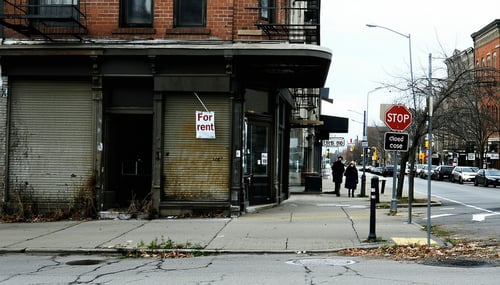
- Negative Perception: A neighborhood with many vacant storefronts can develop a negative perception, deterring potential buyers and renters.
- Stagnant or Declining Property Values: The overall decline in the local commercial environment can directly translate to lower property values in the area.
Appealing Your Taxes: Arguing the Commerce Crisis:
Your property tax assessment should reflect your home's fair market value, which is influenced by the overall desirability and economic health of your neighborhood. If a "Community Commerce Crisis" is demonstrably impacting the attractiveness and stability of your local area, leading to a decrease in property values, you have grounds to argue that your current tax assessment is too high.
Building Your Case for Appeal:
Appealing your property taxes based on local business decline requires compelling evidence:
- Document Business Closures: Keep a record of local business closures, noting the types of businesses, their significance to the community, and the dates of closure.
- Analyze Vacancy Rates: Document the increasing number of vacant storefronts and commercial properties in your neighborhood. Photos and addresses can be helpful.
- Gather Local Economic Data: Look for any available data on local unemployment rates, business license applications, or economic reports that indicate a downturn in the local commercial sector.
- Comparative Market Analysis (CMA): Work with a local real estate agent to compare property values and sales trends in your neighborhood to those in comparable areas with a stable or thriving local business scene. Highlight any discrepancies.
- Resident Impact Statements: Collect statements from neighbors detailing how the decline in local businesses has negatively impacted their quality of life and their perception of property values.
- Local News and Reports: Include any local news articles or reports that discuss the decline of the local business environment.
- Understand Local Appeal Procedures: Research and meticulously follow your local tax authority's specific process and deadlines for property tax appeals.
Navigating the Appeal Process:
Clearly articulate in your appeal how the "Community Commerce Crisis" is negatively impacting the desirability and market value of your property. Provide supporting documentation and any available economic data to illustrate this decline.
Advocating for a Fair Assessment in a Changing Landscape:
A struggling local economy can significantly impact property values. By documenting the decline of local businesses and understanding the appeal process, you can advocate for a property tax assessment that reflects the current economic realities of your neighborhood. It's about ensuring your taxes align with the present value of your property in a changing commercial landscape.