
Living near a brownfield site – land previously used for industrial or commercial purposes and now known or suspected to be contaminated – can cast a long shadow over your property value and quality of life. The potential health risks, environmental concerns, and stigma associated with such sites can significantly depress home prices in the vicinity. If your property is burdened by its proximity to a brownfield, appealing your property taxes to reflect this "Brownfield Burden" is a legitimate course of action.
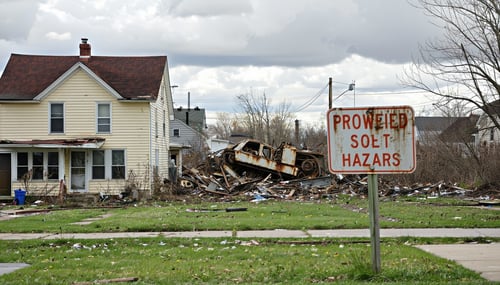
The Lingering Shadow of Contamination:
Brownfields, ranging from former gas stations to abandoned factories, carry a host of potential negative impacts:
- Health Risks: Contaminated soil and groundwater can pose serious health hazards to residents through direct contact, inhalation of vapors, or contaminated drinking water.
- Environmental Concerns: Brownfields can leach pollutants into the surrounding environment, affecting local ecosystems and water sources.
- Stigma and Perception: The mere presence of a brownfield can create a negative perception of the neighborhood, deterring potential buyers and lowering property values.
- Development Limitations: The presence of contamination can restrict future development in the area, hindering potential growth and appreciation.
- Insurance and Lending Issues: Obtaining homeowner's insurance or securing a mortgage can be more difficult or expensive for properties near brownfields.
Why a "Brownfield Burden" Warrants a Tax Appeal:
Your property tax assessment should reflect your property's fair market value – what a willing buyer would pay for it in the current market, considering all positive and negative factors. Proximity to a brownfield is undoubtedly a significant negative factor that can demonstrably reduce a property's desirability and potential sale price. If your current tax assessment doesn't account for this "Brownfield Burden," you are likely paying more than your fair share.
Building Your Case for a "Brownfield Burden" Appeal:
Successfully appealing your property taxes due to nearby environmental contamination requires a well-documented and persuasive case:
- Document the Brownfield: Gather official information about the nearby brownfield site, including its location, known contaminants, and the status of any cleanup efforts (or lack thereof) from the Environmental Protection Agency (EPA) or local environmental agencies.
- Assess Proximity and Potential Impact: Clearly document the distance between your property and the brownfield site and provide evidence or expert opinions on the potential pathways of contamination or negative impacts (e.g., groundwater flow, prevailing wind direction).
- Gather Health Data (If Available): If there are publicly available health statistics or studies linking health issues in your area to the nearby brownfield, include this information.
- Obtain Comparative Market Analysis (CMA): Work with a local real estate agent experienced in the area to compare property values and sales trends in your neighborhood to those in comparable areas without nearby environmental contamination. Highlight any significant discrepancies.
- Secure Independent Appraisals: Obtain one or more independent appraisals from qualified appraisers who understand the impact of environmental contamination on property values. The appraisal should specifically address how the nearby brownfield affects your property's marketability and overall worth.
- Neighborhood Impact Statements: Collect statements from neighbors detailing their concerns about the brownfield and how they believe it has negatively affected their property values and quality of life.
- Review Local Zoning and Development Plans: Investigate any local zoning regulations or development plans that might acknowledge the presence of the brownfield and any associated restrictions or concerns.
Navigating the Appeal Process:
Remember to follow your local tax authority's specific procedures and deadlines for property tax appeals. Clearly articulate how the nearby brownfield is negatively impacting your property's value and provide all your supporting documentation.
Seeking a Fair Assessment in the Shadow of Contamination:
Living near a brownfield site presents unique challenges that can significantly affect your property value. By diligently documenting the contamination, its potential impact, and the resulting diminished marketability of your home, you can build a strong case for a "Brownfield Burden" property tax appeal and strive for a more accurate and fair assessment.